

Our Success Stories
See telehealth success stories of how our customers are using AMD Telemedicine products and technology to improve patient care across the globe.

Santa Teresa Children’s Clinic: Transforming Rural Healthcare
The Challenge: Inaccessible Healthcare for Rural Patients In New Mexico, a significant number of people live far away from urban centers. According...
CETF Has Proven Telehealth to Improve Quality of Care
The Challenge: Staff burnout and burdened workloadsIn a time when the need and demand for telehealth skyrocketed, hospitals and medical facilities...
Two for One: How AMD and DocBox Revolutionized ICU Care
The Challenge: Addressing Critical Care Patients in the ICU with TelemedicineA surge in patients requiring critical care, suffocating staffing...
Never Miss An Update
Subscribe to the AMD Telemedicine newsletter for the latest news in telehealth.
What our customers are saying …
Dr. Lisa Gwynn
“AMD is a telehealth company that has always been dependable, and extremely knowledgeable in assisting with choosing the right equipment to meet our needs. Their customer service and technical support of our programs has been impeccable.”
Ryan Baker, MHA
“After searching and speaking with many companies I found AMD Global Telemedicine to be trustworthy and realistic when setting expectations on their deliverables. They spent the time to really work with us to develop a telemedicine solution that fit out individual company needs.”
Dr. Waseem Ghannam
“Best in class technology and world class service! The team at AMD Global Telemedicine help power organizations in serving patients, via their HIPAA-compliant telehealth platform.”
Customer Telehealth Success Stories

Santa Teresa Children’s Clinic: Transforming Rural Healthcare
The Challenge: Inaccessible Healthcare for Rural Patients In New Mexico, a significant number of people live far away from urban centers. According...
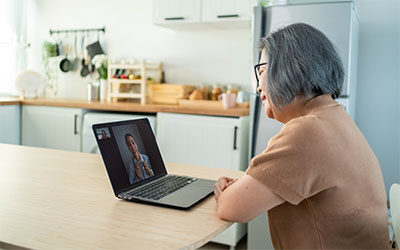
CETF Has Proven Telehealth to Improve Quality of Care
The Challenge: Staff burnout and burdened workloadsIn a time when the need and demand for telehealth skyrocketed, hospitals and medical facilities...
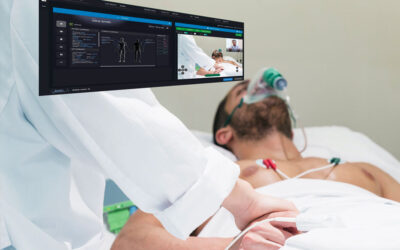
Two for One: How AMD and DocBox Revolutionized ICU Care
The Challenge: Addressing Critical Care Patients in the ICU with TelemedicineA surge in patients requiring critical care, suffocating staffing...
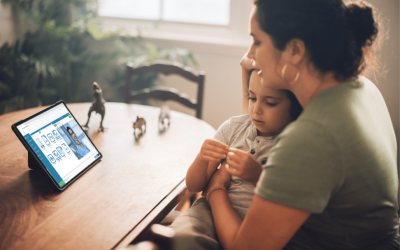
Improving Home Health Outcomes With Scottsdale Physicians Group
The Challenge: Vulnerable populations often struggle to receive quality care, whether because of barriers to treatment such as travel, cost, limited...

Gertrude’s Children’s Hospital, the Daktari Smart Telemedicine Program
The Challenge: Facilitating healthcare for the 72% of Kenyans who live outside of urban areas and face long journeys to seek care in a health system...
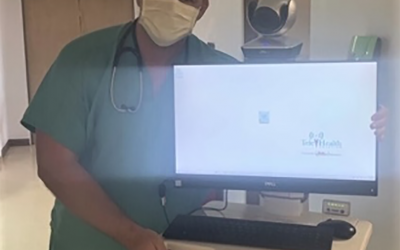
OSU Reaches Rural Oklahoma Patients and Fills Clinician Shortages
HealthLeaders interviewed Rhett Stover, OSU Medicine's CEO about their telemedicine program to deliver care to rural patients through their Critical...
Request a Demo