

Telemedicine Defined
New digital technologies emerge every day that are aimed at putting healthcare in the hands of more citizens than ever before. As it stands today, with the world’s most recent global pandemic, almost all healthcare organizations are using some form of telemedicine or telehealth in their practice of care.
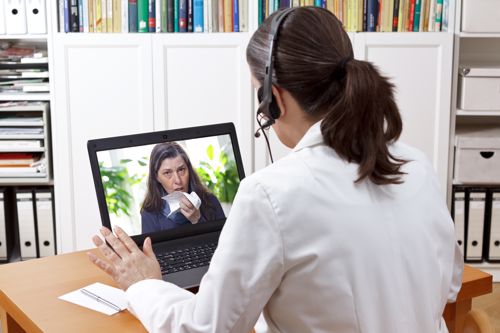
While the terms “telemedicine” and “telehealth” are used more or less interchangeably, there are a few key differences that set the two concepts apart. Namely, telemedicine is geared towards benefiting providers and healthcare organizations, whereas telehealth is focused on making care easily accessible and convenient for patients.
Telemedicine opens new doors for physicians
Telemedicine efforts are generally directed exclusively toward physicians and health facility administrators. Namely, telemedicine concerns itself almost exclusively with providing healthcare practitioners with the tools they need to reach a greater number of patients across a wider radius.
Benefits of telemedicine to healthcare organizations include:
- Addresses gaps in patient care
- Expands additional services/specialties offered
- Reduces cost to deliver remote care when and where it is needed without the building and staffing added facilities.
- Increases collaboration between clinicians and practitioner
- Helps load balance physician and staff resources, to bring specialist care where it is needed most
Telehealth focuses on empowering consumers
In contrast to telemedicine, which focuses exclusively on providing additional tools for clinicians, telehealth takes a broader approach, and includes consumers and end-users in its target audience.
Telehealth refers to a loose definition of consumer-facing healthcare and health management solutions. This can include a wide variety of applications, not all of them clinical. For example, many telehealth-centric apps are designed to better connect consumers to healthcare professionals. While this is an important function, the proliferation of telehealth services is primarily a consumer concern, not a practitioner one.
While clinical telemedicine services are designed to allow doctors and nurses to practice medicine more effectively over distances, telehealth apps form more of a support role, allowing for everything from connecting patients with providers to helping clinics manage training and personnel issues.
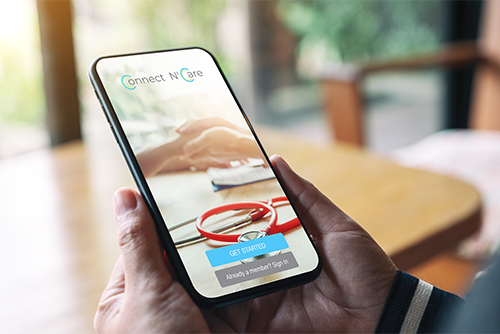
Positive outcomes of Telehealth for patients are:
- Provides immediate and increased access to specialty care
- Avoids long travel times to larger medical facilities for follow up care
- Reduces patient wait times for appointments – on demand care
- Decreases unnecessary hospitalizations by receiving care before condition worsens
- Reduces emergency room and urgent care visits through increased access
- Allows patients to receive treatment in their own communities
The impact telemedicine has made on applications worldwide is astounding! There are use cases in almost all clinical applications and specialties today. For more information on the telemedicine industry, policy updates and reimbursement models consult the American Telemedicine Association or the International Society for Telemedicine and eHealth.